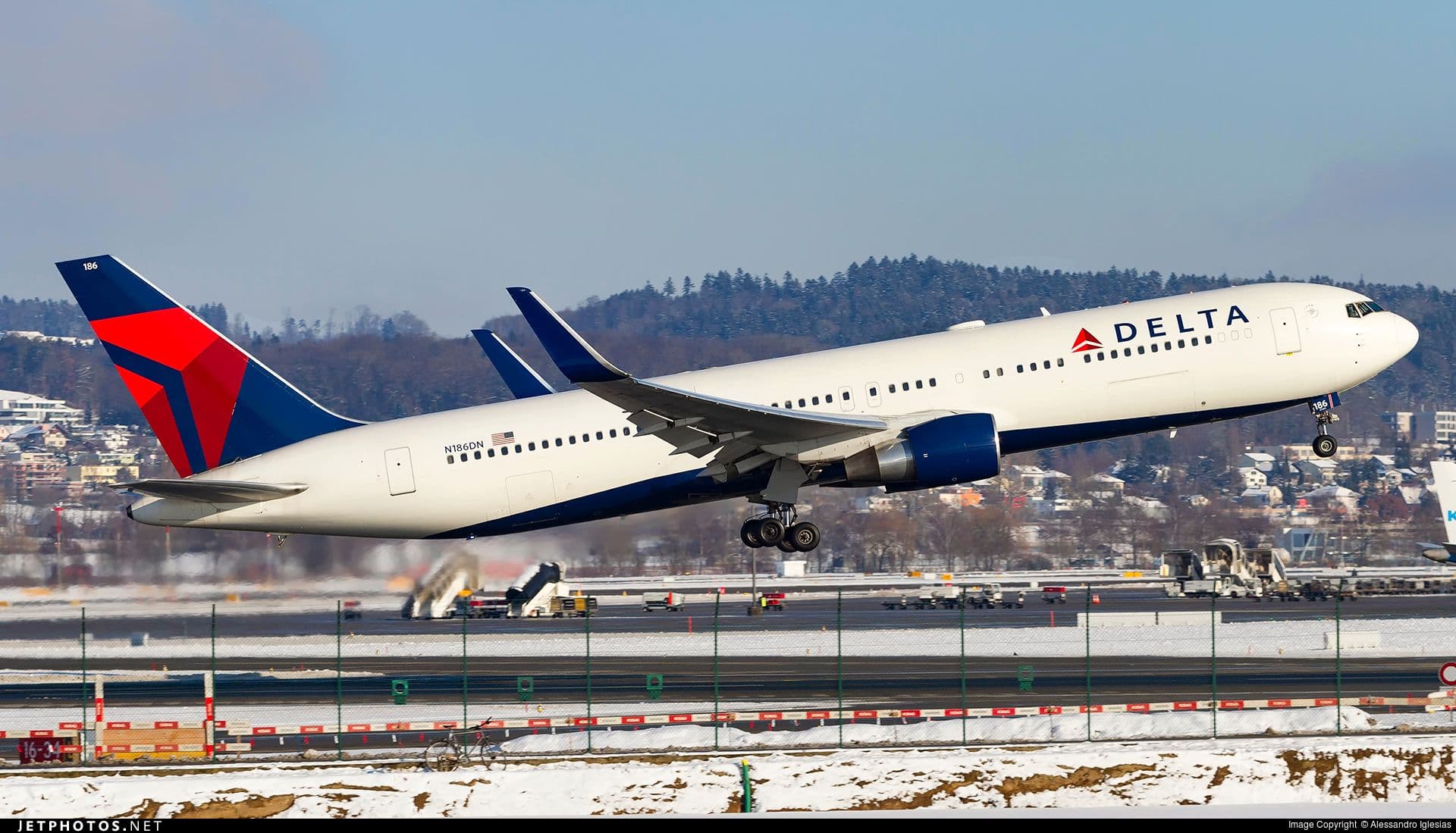

In today’s article, I wanted to write about the process Delta Airlines went through and the point it has reached today.
After the September 11 attacks, a difficult period began for many airline companies in America. The revenue of airline companies in America, which was 130.2 billion U.S.D in 2000, dropped to 107.1 billion USD in 2002. A loss of $19.6 billion was reported in 2001-2002. Following the September 11 tragedy, natural disasters dealt another blow to the aviation sector. Due to Hurricane Katrina, which accounted for 2% of the world’s oil production and a quarter of the U.S.’s oil needs in 2005 and was active in the Gulf of Mexico, oil production in the Gulf of Mexico decreased by 633,000 barrels per day, or 42%. Natural gas production also decreased by 20% due to the hurricane. Due to the blow Hurricane Katrina dealt to oil production, the price per barrel rose above 70 USD with a record increase of more than $4 in less than 48 hours, until the American President Bush of the time decided to use 30 million gallons from America’s Strategic Petroleum Reserve (SPR).
In the session held on September 14, 2005, by the Aviation Subcommittee of the U.S. Senate Committee on Commerce, Science, and Transportation on “The Effects of Hurricane Katrina on the Aviation Industry,” James May, President and C.E.O. of the Air Transport Association of America, stated that fuel costs were expected to be $9.2 billion more in 2005 compared to 2004, and they anticipated a loss of approximately $10 billion in 2005, in addition to the $32.3 billion loss over the last three years. The situation of airline companies on the brink of bankruptcy and possible measures were also evaluated in the session.
Delta Airlines, the 3rd largest airline company in America, also experienced difficult times as one of the airlines affected by all these disasters. The company, which had not made a profit since 2000, was heavily wounded by the September 11, 2001, attack, and following a series of misfortunes, finally, at the beginning of August 2005, it suffered an additional loss of $650 million to all its previous losses, due to the bank that processed the airline’s ticket sales via Visa and MasterCard withholding the money collected from passengers until the passengers’ travel was completed, to protect itself against Delta’s bankruptcy.
The airline company, which had approximately 60,000 employees and carried 340,000 people per day, came to the brink of bankruptcy in 2004, and in order to recover, it laid off 5,000 people and cut the salaries of its employees. On August 11, 2005, Delta announced that it would sell Atlantic Southeast Airlines to SkyWest for 425 million USD, and completed this sale on September 8, 2005.
Despite all these moves, Delta Airlines entered the “reorganization” process under Chapter 11 of the U.S. Federal Bankruptcy Code with a court decision on September 14, 2015. Reorganization is an opportunity offered for the continuation of commercial enterprises. Debtor companies wishing to benefit from this opportunity apply to the court and submit a detailed reorganization plan containing how and within what period the debt to creditors will be paid, and what kind of restructuring will take place; information regarding their assets, accrued and deferred revenues and expenses, the status of ongoing lease contracts and current contracts, and commercial relations.
Subsequently, a hearing is held by the court for the approval of the plan. The reorganization plan is considered accepted with the positive vote representing two-thirds of the total claim amount and the absolute majority in number of a creditor class. If a reorganization decision is made, a trustee may also be appointed by the court in exceptional cases where the debtor has fraudulent, dishonest transactions, or if he mismanages his assets and/or engages in acts that cause harm. If there is no such situation, the debtor’s estate remains in the possession of the debtor. Following the decision to enter the “reorganization” process of Delta Airlines, the company took some radical steps on many issues. While Delta Airlines was trying to fix its situation, a rival firm, U.S. Airways, made a surprise move and offered a total of $8 billion in cash and stock on November 15, 2016, to merge with Delta Airlines. Delta management announced that they were not interested in this offer, saying they would continue to maintain their independence. Only a short period of 3 months had passed since the offer when U.S. Airways raised its offer to $10.2 billion on January 10, 2007.
While it was a matter of curiosity how Delta, which rejected the offers, would overcome the financial crisis it was in, as I mentioned before, the company successfully managed this process by taking some radical decisions. Delta Airlines streamlined its fleet, discontinuing the use of four aircraft types; it sold a large number of aircraft and modified or terminated its agreements at more than 50 locations, including Dallas, Orlando, and Tampa airports. Furthermore, Delta revised its domestic and international flight routes, withdrawing its wide-body aircraft from domestic flights and dedicating them to international flights, thereby increasing its international capacity by 21% in 2006 (After the reorganization process, it further increased the points it flew to, starting to fly to over 60 new routes).
During this process, Delta also made some arrangements regarding its employees. The company, which laid off about 6000 personnel during the difficult period, also cut salaries. Delta, which reached an agreement with the “Pension Benefit Guaranty Corporation (PBGC),” a federal insurance board for retirement annuities, regarding the pension rights of its pilots, also saved $280 million U.S.D annually by agreeing to pay its pilots 14% less than before the reorganization. Similarly, changes were made to the rights of personnel working in other positions in the company, and restrictions were implemented throughout the difficult period. Nevertheless, the company, aware of the importance of employee satisfaction, announced that in addition to the rights it had committed to under the agreements it made with the unions, it would give 39,000 non-union employees, excluding executives, $350 million worth of stock and pay $130 million in cash, following the successful completion of the reorganization under Chapter 11. It was also announced that 15% of the company’s annual pre-tax profit would be distributed to employees, again for the purpose of incentivizing employees. After a transformation process lasting more than 19 months, on April 25, 2007, the U.S. Bankruptcy Court for the Southern District of New York ruled that Delta Airlines could emerge from Chapter 11, completing the necessary procedures as of April 30, 2007.
Delta, which successfully completed a difficult process, later purchased Northwest Airlines, becoming an airline operating in every region of the world. Delta also invested in in-flight entertainment systems, Wi-Fi, and many other software and hardware for customer satisfaction, and to reduce fuel costs, it purchased an oil refinery in Philadelphia for $150 million. The company, which gained access to London and the trans-Atlantic market by purchasing 49% of the British airline Virgin Atlantic for $360 million, continued its practices to satisfy its employees. In 2016, Delta Airlines set a record by paying $1.5 billion to its employees as profit sharing. In 2018, the company paid approximately $1.3 billion in profit sharing to its 80,000 employees, and the employees received a bonus corresponding to 14% of their annual income. 2019 was the fifth consecutive year that Delta’s profit distribution exceeded the $1 billion threshold, and thus a total of more than $6 billion was paid to employees in the last five years. I wish that Atlas Global, which provides employment to a large number of people, overcomes the difficult period it is in and continues its operations.