
+90 532 555 60 00info@canlawfirm.com
Dr. Faruk Ayanoğlu Caddesi Evren Apartmanı No.: 35/2, Fenerbahçe İstanbul Türkiye
Can Law Firm
Home
About Us
Practice Areas
Insights
Careers
Contact

Contact Us

Can Law & Consultancy
Cookie Policy|
Privacy Notice

Copyright © 2025 Can Law Firm

Quick Access

  • About Us
  • Practice Areas
  • Insights
  • Careers
  • Contact

Contact

  • Dr. Faruk Ayanoğlu Caddesi Evren Apartmanı No.: 35/2, Fenerbahçe İstanbul Türkiye
  • +90 532 555 60 00
  • info@canlawfirm.com
Powered by SpotsLabs_
Chemicals Regulation

Chemicals Regulation

Home/Practice Areas

The production, import, use, transport, and marketing of chemical substances are subject to detailed national and international legal regulations. These regulations cover areas such as the protection of human health and the environment, as well as the safe conduct of commercial activities. Can Law Firm provides consultancy and litigation services in this legal field, including for sectors such as aviation and space where chemical substances are used.

Chemicals regulation is a dynamic and rapidly evolving field, shaped by scientific advances, technological innovations, and international regulatory developments. This field requires multidisciplinary expertise, including knowledge of technical standards, chemical properties, and industrial processes. Can Law Firm offers services that take into account both legal regulations and technical aspects of international standards such as CLP, REACH, and GHS.

Our approach involves integrating operational and commercial considerations with legal compliance requirements. Services are aimed at identifying potential risks in advance and supporting the continuity of operations in accordance with applicable law.

Service Areas:

  • Regulatory Compliance and Auditing: Providing guidance on national and international chemicals regulation (e.g., CLP, REACH, GHS) and supporting compliance audits.

  • Occupational Health and Safety Compliance: Assisting in the preparation of internal regulations and procedures aligned with occupational health and safety standards for personnel handling chemical substances.

  • Transportation and Logistics Law: Offering legal guidance on the transport of hazardous and special chemicals under national and international frameworks (ADR, RID, IMDG).

ARTICLE SEARCH

PRACTICE AREAS

Aviation LawChemicals RegulationSpace LawNuclear Law

RECENT POSTS

Legal Roadmap For The Transition To The Hydrogen Economy : The Use Of Hydrogen As A Fuel, Recycling And A Sustainability Perspective May 22, 2026A New Phase in Electrification: Energy InfrastructureMay 15, 2026Examples of Cyber Attacks Targeting Nuclear FacilitiesMay 12, 2026What Is The Carbon Cost?May 6, 2026

You May Be Interested

Latest developments and articles.

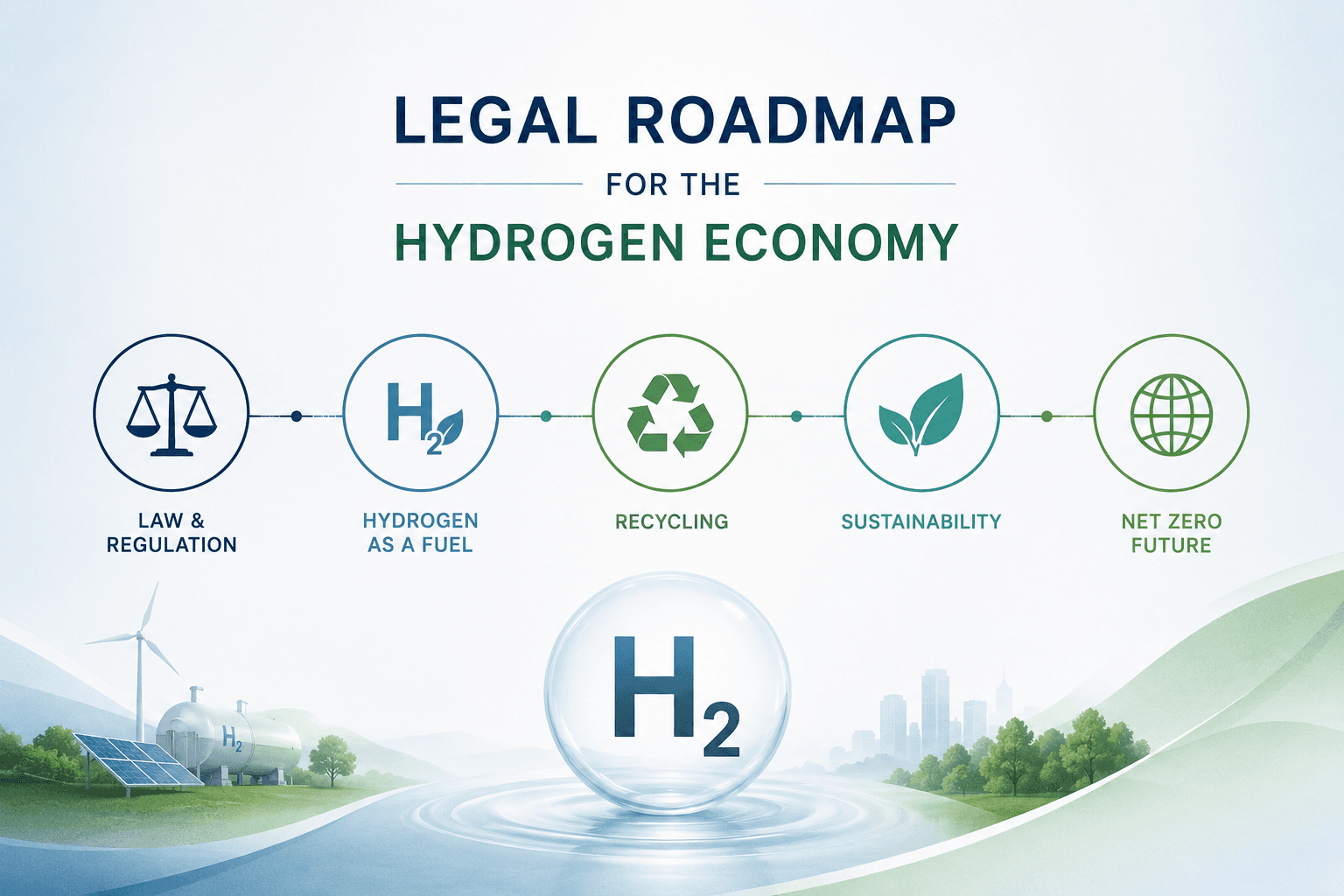
Legal Roadmap For The Transition To The Hydrogen Economy : The Use Of Hydrogen As A Fuel, Recycling And A Sustainability Perspective
22 May 2026

Legal Roadmap For The Transition To The Hydrogen Economy : The Use Of Hydrogen As A Fuel, Recycling And A Sustainability Perspective

The use of hydrogen as a fuel offers a significant opportunity in terms of sustainability; however, this opportunity can only become truly “green” through properly classified production, secure infrastructure, life-cycle management, and a recycling-oriented approach.

Read more
A New Phase in Electrification: Energy Infrastructure
15 May 2026

A New Phase in Electrification: Energy Infrastructure

What is truly shaping the electric vehicle revolution: the vehicles themselves, or the invisible energy infrastructure behind them?

Read more
Examples of Cyber Attacks Targeting Nuclear Facilities
12 May 2026

Examples of Cyber Attacks Targeting Nuclear Facilities

Past cyber attacks targeting nuclear facilities have clearly demonstrated that nuclear cybersecurity is an integral component of nuclear safety and that legal frameworks must be continuously updated in parallel with technological developments.

Read more
What Is The Carbon Cost?
6 May 2026

What Is The Carbon Cost?

In the future, the companies that will succeed will not be those producing at the lowest cost, but those producing with the lowest carbon emissions. Here is why:

Read more